
PVC Cladding vs Timber Cladding: Which Is Better for Melbourne Homes?
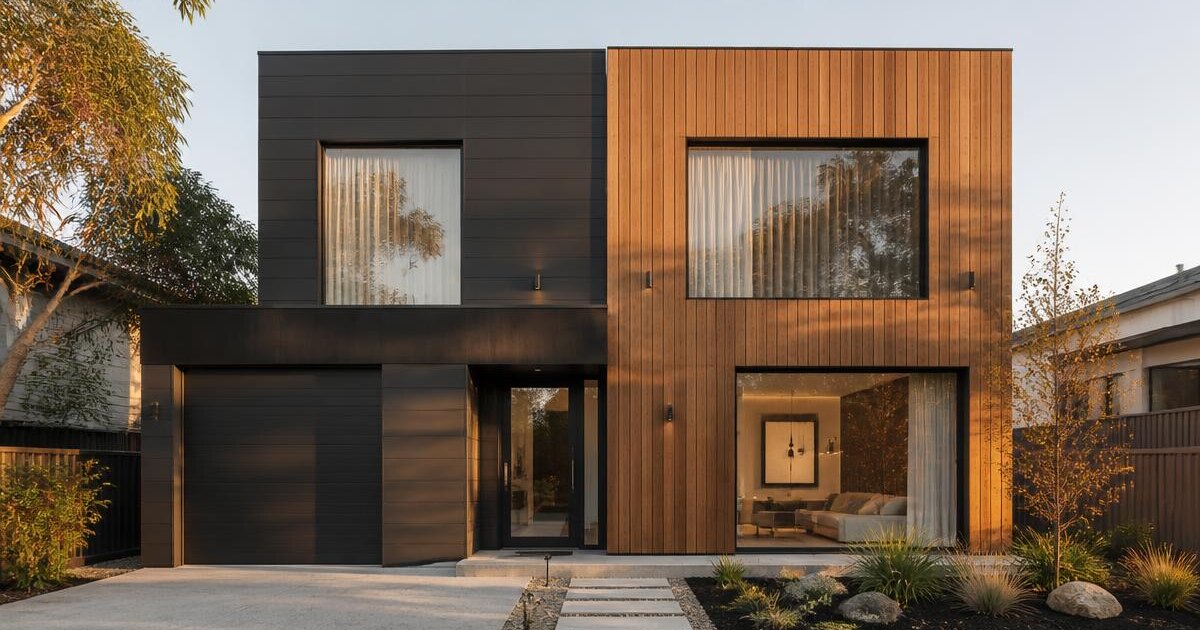
PVC cladding and timber cladding both suit Melbourne homes, renovations and outdoor living areas, but they behave differently. PVC generally offers a consistent finish with lower ongoing maintenance, while timber offers authentic grain and character in exchange for regular care. The right choice depends on design, exposure, approved application, budget and the maintenance you are comfortable managing.
In this article
- What is PVC cladding?
- What is timber cladding?
- PVC cladding vs timber cladding: appearance
- Maintenance requirements
- Moisture and weather exposure
- Installation considerations
- Cladding for alfresco ceilings, eaves and soffits
- Comparing initial cost and long-term value
- Advantages of PVC cladding
- Considerations before choosing PVC cladding
- Advantages of timber cladding
- Considerations before choosing timber cladding
- Which cladding is better for a Melbourne home?
- Questions to ask before selecting cladding
- Professional cladding installation in Melbourne
- Request a cladding quote
Choosing the right cladding can make a major difference to the appearance, maintenance requirements and long-term performance of a home.
PVC cladding and timber cladding are both popular options for Melbourne homes, renovations and outdoor living areas. While they can create a similar architectural effect, the two materials differ in appearance, upkeep, moisture resistance and installation requirements.
This guide compares PVC cladding with timber cladding to help homeowners and builders understand which option may be better suited to their project. You can also see finished work on our projects page and read more about our exterior cladding services.
What is PVC cladding?
PVC cladding is a manufactured lining and cladding product made from polyvinyl chloride. Depending on the selected product and its approved application, it may be used on areas such as:
- House facades
- Feature walls
- Alfresco ceilings
- Eaves and soffits
- Outdoor entertaining areas
- Selected renovation projects
PVC cladding is often selected by homeowners who want a clean, modern finish with relatively low ongoing maintenance.
Products are available in different colours, profiles and finishes. Some options are designed to create a timber-style appearance while retaining the consistent finish of a manufactured product.
The suitability of a particular PVC product depends on its intended location, manufacturer specifications and the requirements of the project.
What is timber cladding?
Timber cladding uses natural timber boards to create an exterior or architectural finish.
Depending on the design and application, timber cladding may be used on:
- External walls
- Home entrances
- Architectural features
- Alfresco areas
- Eaves and soffits
- Feature ceilings
- Renovations and extensions
Timber provides natural grain, colour variation and texture. Each board can have its own character, making timber attractive for homeowners who want an authentic natural finish.
The appearance and performance of timber cladding can vary depending on the timber species, board profile, coating system, exposure and maintenance.
PVC cladding vs timber cladding: appearance
Appearance is one of the most important considerations when comparing PVC and timber cladding.
Appearance of PVC cladding
- A clean and consistent finish
- Modern profiles
- Uniform colours and textures
- Neat lines across walls and ceilings
- Timber-look options without natural board variation
PVC can work particularly well where the design requires a consistent contemporary appearance.
Appearance of timber cladding
- Natural grain and texture
- Individual character in every board
- Warm colours and tones
- A premium architectural appearance
- A finish that can suit both modern and traditional homes
For homeowners who prioritise authentic natural material, timber may be the preferred option. For those who prefer consistency and lower upkeep, PVC may be more suitable.
Maintenance requirements
Maintenance is one of the biggest differences between PVC and timber cladding.
Maintaining PVC cladding
Maintenance requirements vary between products, but PVC cladding is generally chosen as a lower-maintenance option. Depending on the product and location, maintenance may mainly involve periodic cleaning in accordance with the manufacturer's instructions.
PVC does not require the same routine oiling or staining commonly associated with exposed natural timber. However, property owners should still inspect the cladding and follow the relevant care and cleaning guidance.
Maintaining timber cladding
Timber cladding generally requires more ongoing attention. Maintenance may include:
- Cleaning
- Recoating
- Oiling or staining
- Inspecting the surface and joints
- Addressing weathered or damaged areas
- Following the coating manufacturer's maintenance schedule
The maintenance required will depend on the timber species, selected finish and level of exposure. Timber may naturally change colour over time. Some homeowners appreciate this weathered appearance, while others prefer to maintain the original colour through regular treatment.
Moisture and weather exposure
Melbourne homes can be exposed to changing weather conditions, including rain, wind, heat, cold and ultraviolet exposure.
PVC cladding in exposed areas
PVC is not a natural food source for termites and does not rot in the way untreated natural timber can. This can make an appropriately specified PVC system appealing in areas where moisture and maintenance are important considerations.
However, performance depends on using the correct product for the application and installing it according to the manufacturer's instructions. Expansion, fixing requirements, ventilation, flashings and junction details must be considered as part of the complete cladding system.
Timber cladding in exposed areas
Correctly selected, detailed, finished and maintained timber cladding can provide a durable exterior finish. Its long-term performance can be affected by:
- Timber species
- Moisture exposure
- Ventilation
- Coatings and sealants
- Fixings
- Flashing details
- Installation quality
- Ongoing maintenance
Timber should not be considered maintenance-free. Suitable detailing and regular care are important, particularly in exposed locations.
Installation considerations
Both PVC and timber cladding require careful installation. The final result does not depend only on the boards. It also depends on the preparation, supporting structure, fixings, set-out and junction details.
Installing PVC cladding
- Lightweight boards
- Consistent dimensions
- Defined installation systems
- Reduced finishing work on some products
- Efficient installation when the system is properly planned
Installers must allow for the product's fixing and movement requirements. Manufacturer instructions should be followed for spacing, expansion, trims, flashings and other system details.
Installing timber cladding
- Board selection
- Moisture content
- Storage before installation
- Board orientation
- Fixings
- Coating or sealing
- Ventilation
- Expansion and movement
- Corners and junctions
Timber is a natural material, so variations between boards should be considered during set-out and installation.
Cladding for alfresco ceilings, eaves and soffits
PVC and timber products may both be considered for feature ceilings, alfresco areas, eaves or soffits where the selected product is approved for that application.
PVC is often considered when the homeowner wants a clean timber-look ceiling with reduced ongoing coating requirements. Timber may be preferred when authentic natural grain and colour are central to the design.
Before selecting any product, confirm that it is suitable for the intended location and exposure. Installation should follow the manufacturer's specifications and the approved project documentation.
Comparing initial cost and long-term value
There is no single price that applies to every PVC or timber cladding project. The total cost can be affected by:
- Product brand and range
- Board profile
- Area being clad
- Design complexity
- Building height
- Access and scaffolding
- Preparation required
- Corners, trims and openings
- Supporting structure
- Finishing and coating requirements
- Installation time
Premium PVC products and premium timber species can both involve a significant initial investment. When comparing quotations, homeowners should consider more than the supply price. The comparison should include installation, finishing and expected maintenance over the life of the product.
A detailed quote based on drawings, measurements, site access and the selected product is more useful than a general square-metre estimate.
Advantages of PVC cladding
Depending on the selected product and application, potential advantages may include:
- Lower ongoing maintenance
- Consistent appearance
- Resistance to rot
- No oiling or staining for many systems
- Lightweight installation
- A range of profiles and colours
- Suitability for selected walls, ceilings, eaves or soffits
Considerations before choosing PVC cladding
Before choosing PVC cladding, consider
- Whether the product is approved for the intended use
- The quality and appearance of the selected range
- Expansion and movement requirements
- Manufacturer installation instructions
- Fire performance and project requirements
- Colour and finish availability
- Replacement board availability
- Warranty terms and exclusions
Advantages of timber cladding
- Authentic grain and texture
- Natural warmth and character
- Premium architectural appearance
- A variety of timber species and profiles
- The ability to change the appearance through different coatings
- Suitability for both contemporary and traditional designs
Considerations before choosing timber cladding
Before selecting timber cladding, consider
- Ongoing maintenance requirements
- Timber species and durability
- Exposure to moisture and sunlight
- Coating system
- Natural colour variation
- Movement and weathering
- Termite management requirements
- Installation and fixing details
Which cladding is better for a Melbourne home?
There is no universal winner because the right choice depends on the project.
PVC cladding may be more suitable when the priorities are:
- Low ongoing maintenance
- A consistent modern finish
- A timber-look appearance
- Reduced need for repainting, oiling or staining
- Use in an appropriately approved wall or ceiling application
Timber cladding may be more suitable when the priorities are:
- Authentic natural material
- Visible grain and character
- Premium architectural appearance
- The ability to refresh or change the finish
- A willingness to undertake ongoing maintenance
The best decision should consider the design, exposure, approved application, budget and level of maintenance the homeowner is comfortable managing.
Questions to ask before selecting cladding
- Is the product suitable and approved for this specific application?
- What maintenance does the manufacturer require?
- What fixings, flashings and trims are included?
- Is preparation of the supporting structure included?
- Are access equipment or scaffolding included?
- How will corners, openings and junctions be finished?
- What product and installation warranties apply?
- Are samples available to view before ordering?
- Does the quote include supply, installation and finishing?
- Who is responsible for confirming the product specification?
Professional cladding installation in Melbourne
Master Framers provides carpentry and cladding installation services across Melbourne for suitable residential construction and renovation projects.
Our cladding-related work may include:
- PVC cladding installation
- External wall cladding
- Feature cladding
- Alfresco ceiling cladding
- Eaves and soffit linings
- Renovation cladding
- Selected timber cladding applications
Every project has different product, access, preparation, detailing and installation requirements. Reviewing the plans, measurements, selected product and site conditions helps produce a more realistic quote.
Master Framers Build operates as a carpentry and cladding contractor and holds public liability insurance, with a certificate of currency available on request. Structural building work requiring registration is carried out under the registered builder engaged for the project.
Request a cladding quote
Planning a cladding project for a new home, renovation, alfresco area or exterior upgrade?
Use the Master Framers Quote Estimator to provide information about your project, including the location, approximate area, preferred product, drawings and photos. The more information provided at the beginning, the easier it is to review the scope and prepare an accurate estimate.
Planning a Cladding Project?
Tell us about your PVC or timber cladding project, upload your plans or photos, and receive an estimate based on the actual scope of work.
Start Quote EstimatorFrequently asked questions
›Is PVC cladding better than timber cladding?
Neither is universally better. PVC cladding is often chosen for a consistent modern finish with lower ongoing maintenance, while timber cladding is chosen for authentic grain, texture and character. The right option depends on the design, exposure and approved application for your project.
›Does PVC cladding need maintenance?
Maintenance requirements vary between products, but PVC cladding is generally chosen as a lower-maintenance option. Depending on the product and location, maintenance may mainly involve periodic cleaning in accordance with the manufacturer's instructions.
›Can PVC cladding be used on alfresco ceilings?
PVC products are often considered for alfresco ceilings, eaves and soffits where the selected product is approved for that application. Always confirm suitability for the intended location and exposure with the manufacturer's specification.
›How much does cladding cost in Melbourne?
There is no single price. Cost is affected by the product range, board profile, area, design complexity, building height, access, preparation, trims, supporting structure and finishing. A detailed quote based on drawings and site conditions is more useful than a general square-metre estimate.
›How long does timber cladding last?
Timber cladding performance depends on species, moisture exposure, ventilation, coatings, fixings, flashing details, installation quality and ongoing maintenance. Timber should not be treated as maintenance-free, particularly in exposed locations.
›Do you install cladding across Melbourne?
Yes. Master Framers provides carpentry and cladding installation services across Melbourne for suitable residential construction and renovation projects. Send through your plans, product selection and photos for review.
Related services
Need help with this?
Whether you are planning a renovation, need framing support, or want a carpenter who communicates clearly and works to a deadline, Master Framers Build can help you understand the next step.
Related articles
Interior and Exterior Cladding: How to Choose the Right Look for Your Renovation
Cladding changes how a home reads from the street and how it feels inside. Here is how to think about choosing it for a Melbourne renovation.
Lockup Stage Explained: What It Means and Why It Matters
Lockup is the stage that closes the home in. Done well, it protects everything that follows. Done poorly, it leaks time, water and trust.
Our Carpentry Methodology: How We Prepare, Set Up and Deliver Quality Work
A step-by-step look at how we read drawings, prepare tools, set up the site and deliver carpentry work properly across Melbourne projects.